The global telecommunications industry is currently witnessing a massive technological convergence as artificial intelligence transitions from centralized data centers to the very edge of the radio access network, fundamentally altering the way data is prioritized and processed across the planet.
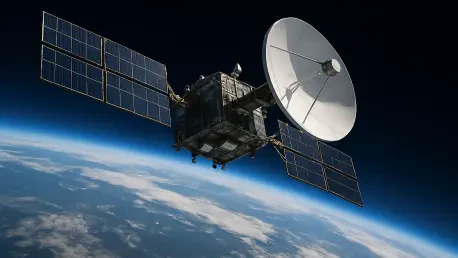
The modern smartphone user rarely considers the physics of a cellular signal until they step into an elevator or a basement and the bars on their screen abruptly vanish. For years, the dream of direct-to-device (D2D) satellite connectivity has promised to erase those "dead zones" once and for all,
From Theoretical Hype to Practical Implementation: The New Connectivity Landscape The bustling halls of Barcelona have transitioned from a stage for speculative prototypes to a rigorous proving ground for autonomous systems that no longer require human oversight for every packet delivered. This

Standing amidst the digital hum of the Fira de Barcelona this year, one could feel the palpable shift as traditional cellular networks finally surrendered their dominance to a new trinity of silicon, space, and synthetic intelligence. A veteran attendee walking through the halls would have noticed
The seamless fusion of orbital technology with terrestrial cellular infrastructure is no longer a distant aspiration but a rapidly maturing reality that is fundamentally altering how European citizens stay connected in the most remote corners of the continent. The European telecommunications
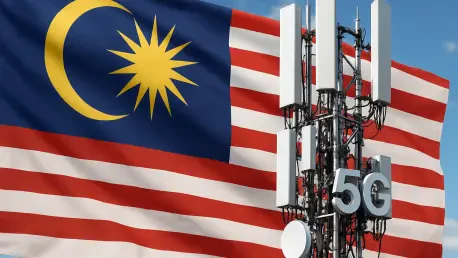
The strategic dismantling of Malaysia’s state-led telecommunications monopoly has reached a critical juncture as the final pieces of the 5G infrastructure puzzle fall into private hands. This transition marks the end of an era where Digital Nasional Berhad functioned as a government-controlled