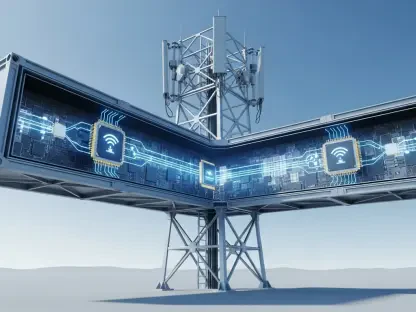

Across the vast American landscape, the rhythmic hum of legacy copper wires is fading as the nation systematically dismantles its century-old telephone infrastructure to make room for a digital-first era. This transition represents more than a hardware upgrade; it is a fundamental shift from Plain Old Telephone Service toward a resilient backbone of fiber and wireless technologies. The America’s Connected Future initiative highlights that maintaining decaying hardware is no longer viable when modern broadband networks offer superior speed and reliability. Telecommunications providers are now prioritizing the decommissioning of these aging systems to better serve a society that demands instantaneous connectivity.
The Great Transition From Copper Wire to Digital Infrastructure
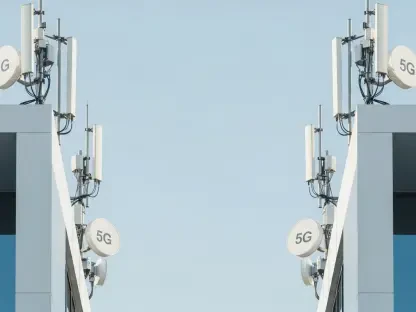
Modernizing the national footprint involves replacing fragile, weather-sensitive copper with robust digital alternatives. While legacy systems served the country for decades, they lack the capacity to handle the massive data loads required by modern households. Decommissioning these lines allows carriers to focus resources on the expansion of fiber-optic cables and 5G networks.
Market Dynamics and the Rapid Decline of Traditional Landlines
Shifting Consumer Preferences and the Rise of Wireless Households
Recent data indicates that nearly 80 percent of American households have fully transitioned to wireless-only service. Less than 2 percent of the population still relies exclusively on legacy copper lines, illustrating a dramatic shift in communication habits. High-speed internet and mobile flexibility have rendered the stationary phone nearly obsolete.
Data-Driven Projections for Infrastructure Investment
The financial burden of maintaining dual infrastructures is immense, with billions of dollars currently diverted to prop up failing systems. Experts suggest that reallocating this capital toward 5G and fiber-to-the-home expansion will trigger significant economic growth. Future investments will focus on digital innovation rather than the preservation of antique hardware.
Overcoming the Physical and Financial Obstacles of Network Modernization
Transitioning remote and geographically difficult regions remains a significant technical challenge for the industry. Providers must ensure service continuity while navigating the high costs of installing new lines in rural areas. Furthermore, mitigating the environmental impact of abandoned lead-sheathed cables is a priority for companies committed to sustainable infrastructure development.
Navigating the Regulatory Landscape and Carrier of Last Resort Mandates
Outdated Carrier of Last Resort rules often mandate that companies maintain copper networks even when no customers remain. Advocating for policy reform is essential to reflect current technological realities. Modern regulations must prioritize public safety, ensuring that 911 location accuracy and disaster resilience are enhanced through digital authentication protocols and robocall protections.
The Future of Connectivity: Beyond the Copper Age
The integration of 5G, satellite internet, and dense fiber-optic networks will support the next wave of economic drivers like remote work and telehealth. As the Internet of Things expands, the need for universal high-speed access becomes a matter of global competitiveness. These advanced networks provide the necessary bandwidth for a society that is increasingly data-dependent.
Securing a Resilient Digital Future for All Americans
The retirement of obsolete copper lines became a necessary step to foster national innovation and ensure long-term stability. Policymakers balanced rapid modernization with equitable access, protecting the most vulnerable populations during the rollout of high-speed alternatives. This transition ultimately provided a unified infrastructure that supported economic growth and enhanced public safety for every citizen.