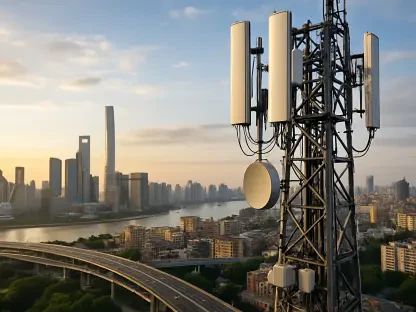
The landscape of in-vehicle connectivity is poised for a monumental shift as a newly filed patent reveals a plan to integrate satellite communication antennas directly into vehicle sunroofs, a move that could fundamentally redefine how cars connect to the internet. This development signals a strategic pivot away from reliance on traditional ground-based cellular networks, leveraging the power of satellite constellations to provide ubiquitous, high-speed internet access directly to the vehicle. The core of this innovation lies in creating a self-contained ecosystem, where the vehicle manufacturer controls not only the hardware but also the data pipeline, effectively bypassing the telecommunications industry. This ambitious vision aims to solve the persistent problem of connectivity dead zones and opens the door to a new generation of services that demand uninterrupted data flow, transforming the modern car into a truly mobile and independent communication hub. The implications extend far beyond simple convenience, touching upon corporate strategy, long-term profitability, and the very architecture of future automotive technology.
A Strategic Shift in Automotive Connectivity
The Technological Innovation Behind the Patent
The foundation of this forward-thinking initiative is a specialized sunroof component engineered to be highly transparent to specific radio frequencies, allowing for the discreet and seamless integration of satellite communication antennas. This design masterfully conceals the complex hardware within the vehicle’s existing structure, preserving the clean, aerodynamic lines that are a hallmark of modern automotive design. Unlike the bulky, aftermarket satellite dishes that have been the norm, this embedded solution is both aesthetically superior and functionally integrated. While the patent documents do not explicitly name a specific satellite provider, the technical specifications and operational parameters strongly suggest compatibility with a low-Earth orbit (LEO) satellite system like SpaceX’s Starlink. This approach eliminates the need for any external modifications, offering a factory-installed system that provides direct, high-speed internet access from virtually anywhere on the globe. The technology represents a significant leap from relying on terrestrial cell towers to communicating directly with a constellation of satellites, promising a new standard in reliability and performance for in-vehicle connectivity.
The push for an integrated satellite solution is heavily supported by emerging user behavior and the clear market demand for more reliable connectivity options, especially in areas underserved by traditional cellular infrastructure. A growing community of vehicle owners has already begun experimenting with mounting portable satellite terminals, such as the Starlink Mini, on their sunroofs or roofs to achieve better internet access while on the move or parked in remote locations. These early adopters have consistently reported a vastly superior online experience in regions with weak or nonexistent cellular signals, effectively validating the core concept behind the patent. Their experiences highlight the critical need for a connectivity solution that is not tethered to the limitations of terrestrial networks. By formalizing this into a sleek, integrated product, the company can address this proven demand directly, offering a premium, factory-guaranteed solution that provides a level of performance and convenience that makeshift setups cannot match. This move taps into a clear customer pain point, particularly for those who travel or live in rural and remote areas.
Economic and Business Model Implications
A primary driver behind this technological pivot is the compelling financial incentive to vertically integrate connectivity services and gain greater strategic control over the value chain. Currently, automakers offering premium connectivity features pay significant, recurring fees to third-party mobile network operators, such as AT&T, to provide the necessary data services for their vehicles. By implementing a direct-to-satellite solution powered by a sister company like Starlink, these ongoing external expenditures are converted into internal costs within a broader corporate ecosystem. This aligns perfectly with a long-standing business strategy focused on reducing reliance on external suppliers and capturing more profit margin across different segments of the operation. While the cost savings on a per-vehicle basis might appear modest at first, the cumulative financial impact across a global fleet of millions of subscription-based vehicles would be substantial. This vertical integration not only enhances long-term profitability but also insulates the company from price negotiations and potential service disruptions from third-party carriers.
Beyond the immediate cost benefits, this shift signals a potential and profound transformation of the company’s entire service-based business model, fundamentally altering how connectivity packages are structured, marketed, and delivered to consumers. Moving away from cellular providers grants the automaker unprecedented control over the end-to-end user experience, from connection quality and data speeds to pricing and service tiers. This autonomy allows for the creation of innovative new subscription packages that could bundle high-speed satellite internet with other premium features, such as advanced driver-assistance systems, high-definition media streaming, and over-the-air software updates that require large data transfers. It paves the way for a more robust and self-reliant digital ecosystem, where the vehicle is the central hub for a suite of proprietary services. This strategy not only creates powerful new revenue streams but also deepens customer loyalty by offering a uniquely integrated and superior connectivity solution that competitors dependent on traditional cellular networks would find difficult to replicate.
A New Era of Integrated Mobility
This patented development ultimately marked a crucial turning point in the automotive industry. It was no longer just about building a car but about creating a fully integrated mobile platform where the vehicle, its software, and its connection to the outside world were controlled within a single, cohesive ecosystem. This strategy signaled a direct challenge to the established telecommunications sector, suggesting that a future was possible where automakers became their own internet service providers. The move toward satellite-based connectivity laid the groundwork for a new standard in vehicle technology, one that prioritized constant, reliable data access as a core utility. It was a clear indication that the future of mobility depended less on the roads and more on the networks that connected vehicles to a global information grid, setting a bold new precedent for what a “connected car” could truly be.