
A High-Stakes Battle for India’s Digital Airwaves
A significant confrontation is brewing in India’s technology sector, pitting the country’s major private telecom operators against the proponents of a new Direct-to-Mobile (D2M) broadcasting technology. This dispute transcends a simple technical disagreement, evolving into a strategic battle over the future of content delivery, spectrum allocation, and consumer device ecosystems. The Cellular Operators Association of India (COAI), representing behemoths like Reliance Jio, Bharti Airtel, and Vodafone Idea, has called for a complete do-over of recent D2M trials, citing fundamental flaws that they argue render the results invalid. This article will dissect the core of this conflict, exploring the telcos’ allegations, the technology at stake, and the far-reaching implications for India’s digital future.
The Genesis of a Technological Tug-of-War
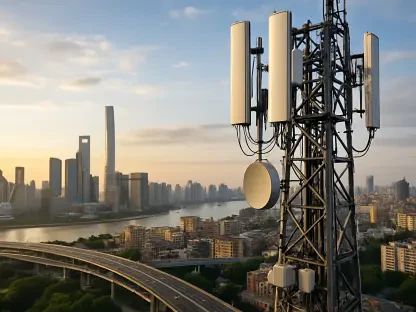
To understand the current impasse, it is essential to grasp the promise of D2M technology. At its core, D2M enables the direct broadcast of video and multimedia content to smartphones from terrestrial towers, bypassing the need for an active internet connection or even a SIM card. In a nation where a significant portion of the population remains unconnected or deals with intermittent connectivity, this capability could be transformative for media consumption and emergency broadcasting. The trials at the heart of the controversy were spearheaded by the public broadcaster Prasar Bharati, in collaboration with the Indian Institute of Technology (IIT), Kanpur, and Saankhya Labs, the developer of a proprietary D2M chipset. This background highlights a foundational divergence: a public-private initiative aiming to disrupt the existing content delivery model, which is predominantly controlled by cellular network operators.
Deconstructing the Core of the Controversy
Allegations of a Skewed and Exclusionary Process
The central pillar of the telecom industry’s objection is the perceived procedural impropriety of the D2M trials. The COAI has formally asserted that the evaluation process violated the government’s established principles of being transparent, consultative, and technology-neutral. A primary grievance is the complete exclusion of telecom service providers and mobile device manufacturers from the trials. Telcos argue that because D2M technology has profound implications for national spectrum management, network infrastructure, and consumer hardware, their involvement is not just beneficial but essential. The failure to share the terms of reference with these key stakeholders beforehand has only deepened suspicions that the trials were designed to favor a pre-selected solution rather than conduct an objective assessment.
The Push for a Technology-Neutral Battlefield
Moving beyond procedural complaints, the COAI is demanding a fresh evaluation grounded in genuine technological neutrality. The association contends that the recent trials were narrowly focused on a single broadcast standard developed by Saankhya Labs, unfairly sidelining other viable cellular-based broadcast technologies, such as 5G Broadcast. The telcos insist that any national-level assessment must objectively compare all available options. This comparison, they argue, should be based on critical parameters like scalability, long-term spectrum efficiency, impact on existing 5G network coexistence, and the overall cost to the ecosystem. To ensure fairness and comprehensiveness, the COAI is calling for a formal public consultation process to be led by the Department of Telecommunications (DoT) and the Telecom Regulatory Authority of India (TRAI).
The Billion-Dollar Question of Device Costs and Consumer Impact
Adding a critical economic layer to the dispute are the concerns voiced by device manufacturers. Integrating dedicated D2M hardware, they claim, would necessitate significant changes to smartphone chipsets and internal architecture, inevitably driving up the final cost for consumers in India’s highly price-sensitive market. This potential price hike could act as a major barrier to adoption, undermining the technology’s goal of mass accessibility. Countering this, Saankhya Labs founder Parag Naik has publicly stated that the cost increase would be minimal, estimating it at around $3 per device. This stark contrast in cost projections highlights a fundamental disagreement on the economic viability and consumer impact of mandating a new hardware standard.
Charting the Path Forward for D2M in India
The future of D2M in India now hinges on the response of its regulatory bodies. The industry’s unified call for intervention by the DoT and TRAI signals a critical inflection point. An emerging trend is the push toward a more structured, multi-stakeholder framework for evaluating new technologies that impact national resources like spectrum. Any future trials will likely need to be far more inclusive, with clearly defined parameters that allow for an apples-to-apples comparison between different broadcast solutions. The ultimate path forward will require navigating complex regulatory approvals, establishing a clear policy on spectrum allocation for D2M services, and forging a consensus between broadcasters, telecom operators, and device manufacturers.
Key Takeaways and Strategic Imperatives for Stakeholders
The ongoing D2M debate offers several major takeaways. First, the dispute underscores that technological innovation cannot succeed in a vacuum; it requires a transparent and collaborative process. Second, the principle of technology neutrality is paramount to ensuring that the best, most efficient solution is adopted for the nation, not just the first one to be tested. Finally, the economic impact on the end consumer remains a critical, unresolved variable. For regulators, the imperative is to establish an impartial evaluation framework. For telcos, the strategy must be to champion alternative cellular-based broadcast solutions while participating constructively in any new process. For D2M proponents, the challenge is to address the concerns about exclusivity and cost to build broader industry and consumer trust.
Redefining the Future of Content Delivery in a Connected Nation
In conclusion, the demand for a rerun of the D2M trials is far more than an inter-industry squabble; it is a defining moment for India’s digital ecosystem. The core of the issue revolves around ensuring a level playing field for innovation while safeguarding national interests in spectrum efficiency and consumer affordability. The outcome of this conflict will set a precedent for how disruptive technologies are evaluated and integrated in the future. The ultimate goal for all parties should be to move beyond the current impasse and work collaboratively toward a solution that harnesses the power of technology to connect every Indian, ensuring the nation’s digital journey is both inclusive and sustainable.