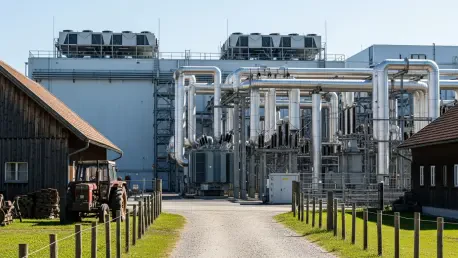

The quiet hum of cicadas in a cornfield is being replaced by the steady, low-frequency drone of industrial cooling fans in regions where multi-billion-dollar data centers are cropping up at an unprecedented rate. Throughout the United States, the physical footprint of artificial intelligence is expanding far beyond the glass-and-steel corridors of Silicon Valley, embedding itself into the heart of rural communities that were once defined by agriculture and predictable seasonal cycles. This sudden and massive influx of infrastructure represents more than just a technological upgrade; it is a fundamental reconfiguration of the American landscape that pits the relentless demands of global digital dominance against the deeply rooted traditions of local populations. In counties that have seen little change for decades, the arrival of massive windowless warehouses filled with server racks is sparking a profound debate over the soul of rural life. Families who have worked the same soil for over a century now find themselves standing at a crossroads, forced to decide whether their ancestral lands should serve as the foundation for a future they had little part in designing. The friction between these two worlds is palpable, as the high-stakes requirements of machine learning demand vast swaths of land, while the residents of these areas strive to preserve their heritage and ecological stability. This transformation is not a slow evolution but a rapid industrial revolution that is rewriting the rules of rural economics and community identity.
Resource Intensity: The Cost of Intelligence
The energy appetite of generative AI systems has fundamentally altered the trajectory of the American power grid, requiring amounts of electricity that were previously unimaginable for commercial office space. While a traditional internet search requires a negligible burst of energy, a single interaction with a sophisticated large language model can consume up to fifteen times more power, creating a cumulative demand that is pushing utility companies to their absolute limits. This surge in electricity needs has forced a reconsideration of grid reliability, as data centers now demand dozens of times more power than the traditional server farms built just a few years ago. In many rural areas, the existing electrical infrastructure was never designed to support such a heavy industrial load, leading to concerns about rising costs for local residents and the potential for rolling blackouts during peak usage periods. The sheer scale of these operations means that a single facility can consume as much energy as a medium-sized city, effectively turning data centers into the primary customers of local power cooperatives. This dynamic has created a precarious situation where the drive for technological advancement must be balanced against the basic energy needs of the families and small businesses that have inhabited these regions for generations.
Beyond the immense electrical requirements, the cooling needs of high-density AI server clusters are putting an unprecedented strain on local water supplies, particularly in regions already facing ecological stress. These massive structures require millions of gallons of water every day to dissipate the heat generated by thousands of processing units running around the clock. In many instances, the water used for cooling is drawn from the same aquifers that provide irrigation for surrounding farmland and drinking water for local townships, creating a direct conflict over a finite and essential resource. The environmental footprint of these cooling systems is often a point of contention during the planning phases, as residents fear that the long-term health of their local ecosystem is being sacrificed for the sake of digital processing power. This competition for water is particularly acute in agricultural heartlands, where the viability of the next harvest depends entirely on the stability of the water table. As data centers continue to expand, the trade-offs between maintaining a robust agricultural sector and supporting the infrastructure of the digital age become increasingly stark, forcing local governments to make difficult decisions about which industry deserves priority in a future defined by resource scarcity.
Social Dynamics: Anxiety and Public Opposition
Public skepticism toward the expansion of artificial intelligence is no longer confined to academic circles or technology forums; it has become a central theme in the collective consciousness of the American workforce. Many individuals view the rapid integration of AI not as a tool for progress, but as a direct threat to their economic security and personal livelihoods. Estimates indicating that millions of jobs could be displaced or significantly altered by automation have fueled a sense of dread among workers who feel increasingly vulnerable in a changing economy. This underlying anxiety is amplified by the physical presence of data centers, which serve as constant reminders of the invisible algorithms that may eventually render certain professions obsolete. Unlike the factories of the past, these modern facilities employ relatively few people once construction is complete, offering little in the way of long-term employment opportunities for the local population. This lack of tangible job growth for the community, combined with the fear of broader economic displacement, has created a fertile ground for resistance against the digital revolution. The sentiment is shifting from a passive acceptance of technology to an active questioning of whether the benefits of AI will ever reach the average citizen.
This growing unease has manifested in widespread community opposition, with residents organizing in record numbers to challenge the approval of new data center projects during local town hall meetings. In many parts of the country, the level of hostility toward these facilities has reached such a height that some polls suggest a significant portion of the population would prefer to live near a nuclear power plant rather than an AI hub. This preference reflects a deep-seated concern over the unknown impacts of massive data processing operations, ranging from noise pollution and traffic congestion to the erosion of property values and rural aesthetics. The intensity of public outcry has frequently caught developers and local officials by surprise, as they struggle to address the complex emotional and social concerns of a population that feels marginalized by the speed of change. Community leaders are increasingly being held accountable for their roles in inviting these tech giants into their backyards, as voters demand more transparency and a greater say in the development of their neighborhoods. The dialogue has moved beyond simple zoning disputes to a larger conversation about what it means to live in a community where the local landscape is being repurposed to serve global interests rather than the immediate needs of its inhabitants.
Corporate Interests: The Race for Dominance
A small but incredibly powerful group of technology conglomerates and private equity investors is the primary engine behind this trillion-dollar infrastructure surge, pouring massive amounts of capital into hardware and real estate. Companies like Alphabet, Microsoft, and Meta are engaged in an intensive competition to secure the physical space and processing power necessary to lead the global market in machine learning and generative systems. This influx of investment is so significant that it is fundamentally altering global capital flows and creating a new hierarchy of corporate influence that operates largely outside the traditional bounds of local governance. These entities are not just building warehouses; they are constructing the nervous system of the modern world, and the speed at which they must move to stay competitive leaves little room for the slow, deliberative processes of rural administration. The scale of their financial resources allows them to offer incentives that are often impossible for cash-strapped municipalities to refuse, creating a power imbalance that can overshadow the concerns of individual residents. This concentration of power in the hands of a few dominant players has raised questions about the long-term implications of allowing a handful of corporations to control such a vital component of the national infrastructure.
From the perspective of federal policymakers, the rapid expansion of AI infrastructure is viewed as a critical component of national security and a necessary step to maintain a competitive edge in the global arena. There is a prevailing belief in Washington that the United States must lead in the development of artificial intelligence to ensure economic prosperity and military superiority in an increasingly complex international landscape. This strategic imperative often places federal objectives in direct opposition to the local interests of rural communities, creating a tension that is difficult to resolve through standard political channels. National leaders argue that the benefits of maintaining a technological lead far outweigh the localized disruptions caused by data center construction, but this top-down approach frequently leaves citizens feeling that their voices are being ignored in the pursuit of grander goals. The race for AI dominance is being treated with the same level of urgency as the space race or the development of the interstate highway system, with the government providing various incentives and regulatory pathways to expedite the growth of this sector. However, the human cost of this rapid advancement is being felt most acutely in the quiet corners of the country, where the drive for national progress clashes with the desire for local autonomy and the preservation of a traditional way of life.
Regulatory Response: Local Governments Take Action
Faced with the staggering pace of development and the overwhelming resource demands of new projects, a growing number of local jurisdictions are opting to implement legislative moratoriums to gain control over the situation. More than one hundred local governments across various states have already approved temporary pauses on the construction of new data centers, providing themselves with the necessary time to update outdated zoning laws and conduct thorough environmental impact studies. These pauses are seen as a vital defensive measure to prevent long-term damage to community infrastructure and to ensure that new developments align with the long-term vision of the area. Local officials are finding that their existing regulatory frameworks are woefully inadequate for addressing the unique challenges posed by high-density server farms, which do not fit neatly into traditional industrial or commercial categories. By hitting the metaphorical “pause” button, these communities are asserting their right to determine the future of their own land, rather than allowing external corporate interests to dictate the terms of development. This trend toward more stringent regulation signals a shift in how rural areas interact with the tech industry, moving toward a model of cautious oversight and a demand for greater corporate accountability.
A primary concern driving these regulatory efforts is the fear that these massive facilities could eventually become obsolete, leaving communities with enormous, windowless shells that serve no productive purpose. As AI technology evolves at a breakneck speed, there is a legitimate worry that the hardware and infrastructure being built today may become redundant in a matter of years, potentially creating a new generation of “digital rust belts” across the American landscape. If a data center becomes outdated and the operating company decides to abandon the site in favor of more modern facilities elsewhere, the local community could be left with a significant environmental and economic burden. These structures are highly specialized and difficult to repurpose for other industries, making them a high-risk investment for municipalities that are banking on long-term tax revenue. Officials are working to implement safeguards, such as decommissioning bonds and reclamation requirements, to ensure that the technological boom of the present does not result in a legacy of industrial blight. The goal is to create a sustainable development model that accounts for the entire lifecycle of these projects, protecting the community from the volatility of a rapidly changing tech market and ensuring that the land remains an asset rather than a liability for future generations.
Strategic Evolution: The Path Toward Sustainable Integration
Despite the significant social and environmental concerns, the potential for a massive financial windfall remains a compelling incentive for many local governments to welcome data center developers with open arms. In several documented cases, a single project has generated enough tax revenue to fundamentally transform the local budget, allowing for significant investments in public schools, infrastructure upgrades, and emergency services. For a small rural county that has struggled with a declining tax base and aging facilities, the arrival of a multi-billion-dollar tech project can feel like a lifeline that secures the community’s financial future for decades. These projects often come with agreements that include direct funding for local initiatives, such as bonuses for teachers or the construction of new community centers, making the trade-off even more attractive to local leaders. This sudden influx of cash can provide the resources needed to solve long-standing problems, but it often comes at the cost of changing the very character of the town. The economic pressure to accept these deals is immense, creating a complex ethical and political dilemma for officials who must balance the immediate financial needs of their constituents against the long-term health and identity of the community they serve.
The initial phase of the AI infrastructure boom revealed that the most successful communities were those that approached development with a proactive and comprehensive strategy rather than a reactive stance. Decision-makers realized that establishing clear environmental standards and resource-usage caps before the arrival of developers helped mitigate the most severe impacts on local water and energy supplies. They also found that negotiating for community-oriented infrastructure, such as fiber-optic expansions for local residents or shared-use power grid enhancements, ensured that the benefits of the technology were felt beyond the walls of the data center. By implementing tiered taxation models that rewarded long-term operational stability, some jurisdictions successfully avoided the risks of rapid obsolescence. Furthermore, the integration of public transparency measures throughout the planning process helped rebuild trust between local citizens and the technology companies entering their space. These steps demonstrated that while the growth of artificial intelligence was inevitable, the manner in which it was integrated into the rural landscape remained firmly within the control of local governance. Ultimately, the lessons learned from these early projects provided a blueprint for balancing global technological needs with the essential preservation of local heritage and environmental integrity.