
An Unsettling Paradox: The Architects of the Future Rethink Their Workforce
The year 2026 has opened with a troubling trend for the very industries powering our connected, artificially intelligent world. Major technology and telecommunications firms, the enablers of the AI revolution, are fundamentally rethinking their human workforce strategies, leading to a steady stream of layoffs. While these sectors expand the frontiers of innovation, they are simultaneously contracting their employee base, creating an unsettling paradox for workers and observers alike. This article explores the deep-seated reasons behind these cuts, analyzing the convergence of economic pressures, strategic pivots toward automation, and a profound shift in the skills required to compete. This analysis will delve into the forces driving this industry-wide recalibration, moving beyond the headlines to understand the structural changes at play.
Echoes of the Past: Setting the Stage for a Leaner Future
The current wave of layoffs is not an isolated event but the next chapter in a story that began years ago. The post-pandemic era saw a massive hiring surge as tech and telecom companies scaled aggressively to meet skyrocketing demand for digital services. This period of rapid expansion, however, soon gave way to a new reality. By 2024, rising interest rates and market volatility ushered in an era of “efficiency,” where the focus shifted from growth at all costs to sustainable profitability. Companies that had over-hired began a course correction, trimming bloated headcounts and flattening organizational structures. This earlier pruning set the precedent for 2026, creating a corporate mindset primed for continuous operational optimization and laying the groundwork for more strategic, technology-driven workforce reductions.
The Core Drivers Behind the 2026 Workforce Transformation
The Economic Mandate for Operational Efficiency
At the heart of the 2026 layoffs is a relentless pursuit of operational efficiency driven by persistent economic headwinds. With investors demanding stronger margins and sustainable growth, companies are under immense pressure to cut costs, and payroll is often the largest expense. We see this play out globally: Swedish firm Ericsson is laying off 1,600 employees as part of a broader strategy to “increase operational efficiency,” a continuation of reductions from previous years. Similarly, Spain’s Telefónica is moving forward with a plan to cut up to 5,000 jobs, a move so critical to its financial health that it is funding a nearly $3 billion compensation package. These are not reactive cuts but calculated decisions to streamline operations and reallocate capital toward high-growth areas like 5G infrastructure and AI development.
The AI Automation Pivot: From Headcount to Algorithmic Power
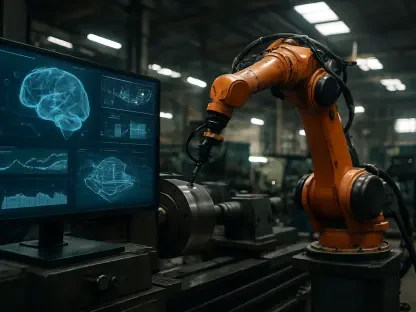
Beyond simple cost-cutting, the 2026 layoffs signify a deeper, more strategic pivot toward automation. As generative AI and machine learning tools mature from novelties into core business assets, companies are re-evaluating which roles can be augmented or entirely automated. This trend is visible in the quiet but significant reduction of sales staff at T-Mobile. Roles traditionally reliant on human interaction, such as account executives and sales managers, are being transformed by AI-powered analytics and customer relationship management systems that can predict needs and manage communications more efficiently. This isn’t just about replacing people; it’s a fundamental rethinking of how work gets done, shifting investment from human-led processes to more scalable and predictable automated systems.
The Great Skill Reset: A Hunt for New Competencies
The current job cuts mask a parallel, less-visible trend: a massive talent reset. While thousands of roles are being eliminated, companies are aggressively hiring for a new set of skills centered on AI, data science, cybersecurity, and machine learning engineering. The layoffs are disproportionately affecting roles in sales, project management, and middle management, which are increasingly susceptible to automation. In their place, companies are creating highly specialized technical positions. This creates a challenging paradox for the workforce, where widespread layoffs coexist with a critical talent shortage in emerging fields. It’s not a simple reduction in force but a strategic realignment of human capital to match the demands of a radically different technological landscape.
The Evolving Workplace: What to Expect Next
Looking ahead, the trend of strategic workforce reduction is set to continue, but its nature will likely evolve. Instead of massive, headline-grabbing layoffs, we can expect more frequent, smaller-scale “rolling adjustments” as companies become more agile in adapting their talent pool to rapidly changing technological needs and market conditions. This continuous state of flux will profoundly impact corporate culture, potentially eroding long-term employee loyalty while simultaneously increasing demand for specialized contractors and freelance experts. We may also see the rise of regulatory discussions around AI’s impact on employment, with governments potentially exploring policies related to workforce retraining, social safety nets, and corporate responsibility in the age of automation.
Navigating the Disruption: Strategies for Businesses and Professionals
The key takeaway from the 2026 layoffs is that the tech and telecom industries are undergoing a permanent structural change, not a temporary downturn. For businesses, the primary focus must be on proactive workforce planning. This means investing heavily in reskilling and upskilling programs to transition existing employees into new, value-added roles, rather than simply resorting to a “fire and hire” cycle. For professionals, the imperative is clear: embrace continuous learning. Developing a baseline of AI literacy, data analysis skills, and an understanding of how technology is transforming your field is no longer optional but essential for career resilience. The most valuable employees of the future will be those who can work alongside intelligent systems to drive outcomes that neither humans nor machines could achieve alone.
A Defining Moment for the Digital Economy
The job cuts sweeping across the tech and telecom sectors in 2026 represented more than just a line item on a balance sheet; they marked a defining moment in the evolution of the digital economy. Driven by the dual forces of economic pressure and the transformative power of AI, this recalibration was reshaping the very definition of work in these industries. The long-term significance of this trend lay in its permanence—this was not a cyclical dip but a foundational shift in the relationship between human labor and intelligent technology. As we moved forward, the challenge for companies and workers alike was to navigate this new terrain with foresight and adaptability, ensuring that the architects of our technological future could build a sustainable and inclusive workforce to support it.