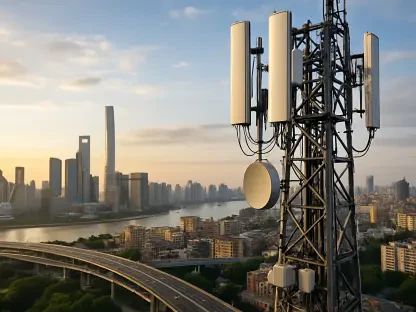

A New Dawn for UK Mobile Connectivity
The era of the dreaded “no signal” message may soon be a relic of the past in the United Kingdom. In a landmark decision, the UK’s telecommunications regulator, Ofcom, has officially established a framework to integrate satellite technology directly with standard mobile phones. This strategic move paves the way for Direct-to-Device (D2D) services, promising to deliver seamless connectivity to the nation’s most remote corners, from the Scottish Highlands to the Welsh valleys. The initiative positions the UK as a potential leader in a global race to bridge the final gaps in mobile coverage. This article will explore the regulatory breakthrough that made this possible, examine the ambitious plans of UK mobile operators, and analyze the competitive and technological landscape shaping the future of universal connectivity.
The Long Road from ‘No Signal’ to Universal Coverage
For decades, the persistence of mobile “not-spots” has been an accepted inconvenience of modern life. The economic and logistical challenges of building traditional cell towers in sparsely populated or geographically difficult terrains have left significant parts of the UK underserved. This digital divide has hampered economic growth, posed public safety risks, and isolated rural communities. The solution has long been visible in the sky, but until recently, satellite communication required bulky, specialized hardware. The turning point came with the integration of Non-Terrestrial Networks (NTN) into the global 3GPP standards that govern 4G and 5G technology. This crucial development created a universal blueprint for mobile phones to communicate directly with satellites, transforming D2D from a niche concept into a viable, mainstream solution and setting the stage for Ofcom’s transformative new policy.
Unpacking the UK’s Strategic Leap into Satellite Services
Ofcom’s Green Light The Regulatory Framework Powering D2D
The core of the UK’s new strategy is Ofcom’s decision to permit mobile and satellite networks to use existing mobile spectrum bands below 3GHz for D2D services. This seemingly technical detail is a game-changer, as it allows standard 4G and 5G smartphones to connect to satellites without any need for new chips or hardware, dramatically accelerating mass-market adoption. However, this approval comes with stringent conditions. Mobile Network Operators (MNOs) must formally apply to have their Ofcom licenses modified to offer these services. Furthermore, strict rules are in place to prevent signal interference, including protections for critical infrastructure like air traffic control systems and for the mobile networks of neighboring countries, ensuring a safe and stable rollout.
A Tale of Two Timelines UK Operators Enter the Fray
With the regulatory path cleared, the UK’s leading mobile operators are already charting their course. Virgin Media O2 (VMO2) has announced a high-profile partnership with SpaceX’s Starlink to launch a service branded “O2 Satellite” in the first half of 2026. This service will initially focus on text messaging and basic data capabilities, leveraging a portion of O2’s licensed spectrum to connect its customers. Meanwhile, Vodafone Group has thrown its weight behind AST SpaceMobile, a satellite startup with ambitious plans to deliver “intermittent nationwide” services in select markets by early 2026. While AST SpaceMobile is not yet fully commercial, its aggressive timeline highlights the urgency and competitive drive fueling the UK’s push into the D2D market.
The European Race Is the UK Truly First to the Finish Line
Ofcom has proudly claimed that its new framework will make the UK the first country in Western Europe to offer widespread D2D services. However, this claim is being contested in a rapidly evolving market. In France, operator Orange is set to launch its own satellite service just days after the UK announcement, partnering with integrator Skylo and geostationary satellite providers. This highlights a key technological divergence: the French service will initially use dedicated Mobile Satellite Services (MSS) spectrum, limiting it to specific, compatible handsets. The UK’s approach, using existing mobile spectrum, targets a much broader base of everyday smartphones from day one. Adding to the competition, Swiss operator Salt has already conducted successful D2D text messaging tests over Starlink’s platform, proving the technology’s viability and underscoring the fierce continental race for D2D dominance.
The Global Titans of the Sky Mapping the Satellite Ecosystem
The UK’s initiative is a microcosm of a powerful global trend: the convergence of terrestrial and satellite networks. This shift is fueling a vibrant ecosystem of strategic partnerships between traditional mobile operators and a new breed of satellite companies, or “satcos.” According to the Global mobile Suppliers Association (GSA), the market is moving quickly from concept to commercial reality, with 14 operator-satco partnerships already live worldwide. The race for market share is dominated by a few key players. AST SpaceMobile leads with 27 publicly announced MNO partnerships, followed by Lynk Global with 20 and Starlink with 12. This intense competition is also driving market consolidation, as seen in the recent merger between Lynk Global and Omnispace, creating an even more formidable player in the quest to connect the globe.
Navigating the New Frontier What D2D Means for Consumers and Businesses
The transition to universal mobile coverage will have profound, practical implications. For consumers, it means a new level of safety and convenience, ensuring that a hiker on a remote trail or a driver on a rural road can always call for help. For businesses, it unlocks a wealth of opportunities in sectors that have long been constrained by connectivity gaps. Logistics companies can track assets in real-time anywhere in the country, farmers can deploy smart agriculture sensors across vast fields, and emergency services can coordinate more effectively during crises. Businesses operating in rural or remote areas should begin strategizing now to leverage ubiquitous connectivity, as it has the potential to fundamentally transform their operations, efficiency, and market reach.
Beyond the Horizon The Future of Seamless Connectivity
The UK’s decision to embrace direct-to-device satellite services marked a pivotal moment in the history of telecommunications. It officially fired the starting gun on a mission to eliminate mobile dead zones and achieve true universal coverage. This was more than a simple technological upgrade; it was the foundation for a more connected, resilient, and equitable digital society. As the lines between terrestrial and satellite networks continued to blur, the very concept of being “offline” was redefined. The UK did not just solve a domestic problem—it helped write the next chapter in global connectivity, where a reliable signal was no longer a luxury of geography but a fundamental utility for all.