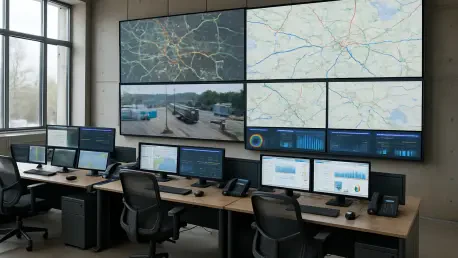

Navigating the complexities of modern logistics requires more than just basic GPS tracking; it demands a sophisticated ecosystem where real-time data identifies critical safety risks before they escalate into costly liabilities. As Samsara continues its upward trajectory within the NYSE Composite Index, the company is refining how industrial sectors interact with their physical assets through the introduction of the Fleet Watch List. This tool functions as a specialized filter for fleet managers, allowing them to isolate high-priority vehicles and drivers who may require immediate attention or specialized coaching. By integrating the Internet of Things with advanced analytics, the platform converts a continuous stream of sensor data into a manageable set of priorities. This shift effectively moves the industry away from traditional reactive maintenance and oversight models. Businesses now utilize these interconnected dashboards to maintain constant visibility over their most vulnerable operations, ensuring that safety protocols are not just suggestions but active components of the daily workflow. The digital transformation of physical operations is no longer a luxury but a fundamental requirement for staying competitive in an environment where speed and reliability are paramount. Such visibility ensures that every asset remains accounted for throughout its entire operational lifecycle.
The Shift Toward Proactive Industrial Management: Enhancing Visibility
Industrial organizations previously struggled with information overload, yet the current implementation of unified monitoring systems has fundamentally changed how managers interpret data. This progress enables a focused approach to asset health and operator behavior, reducing the noise often associated with large-scale logistical operations. When a specific driver or vehicle is flagged on the watch list, it triggers a workflow that prioritizes intervention based on severity, which significantly lowers the risk of catastrophic failures. Furthermore, this connectivity supports a broader movement toward automated supply chains where human oversight is augmented by machine intelligence. Companies that adopted these integrated solutions from 2026 to 2028 realized substantial gains in insurance premium reductions and fuel efficiency. To capitalize on these advancements, logistics firms sought to integrate third-party data streams directly into their primary dashboards, creating a holistic view of the global supply chain. This strategic alignment of technology and physical labor ensured that every piece of equipment operated at peak performance. Operations teams shifted their focus toward long-term strategic planning rather than daily crisis management, which stabilized the market and improved bottom-line results.
This specific focus on targeted oversight helped organizations develop more resilient frameworks for their mobile workforces. Decision-makers evaluated their current telematics capabilities and prioritized the consolidation of disparate data sources into a single pane of glass. By doing so, they established clear benchmarks for driver safety and vehicle longevity that surpassed previous industry standards. The successful deployment of these watch lists suggested that the future of industrial efficiency rested on the ability to anticipate needs rather than merely responding to events. Firms invested heavily in retraining their staff to interpret these real-time signals, transforming traditional roles into tech-enabled logistics experts. This transition fostered a culture of accountability where every data point contributed to a safer and more transparent operating environment. Ultimately, the adoption of connected operations tools became the definitive benchmark for excellence in the field, guiding the sector toward a more sustainable and predictable future. Managers moved beyond simple observation to active risk mitigation, ensuring that the integration of digital tools remained a core component of their long-term growth strategies.