
The global market for Internet of Things technology in retail is projected to climb from $39.91 billion in 2025 to a staggering $138.39 billion by the end of 2030. This monumental shift reflects a deeper movement where physical brick-and-mortar locations are no longer isolated from the digital world but are instead becoming sophisticated data hubs. Retailers are integrating a vast array of internet-enabled hardware, including low-energy beacons and smart shelf sensors, to create a cohesive ecosystem that monitors every aspect of the shopping journey. This evolution has successfully bridged the gap between traditional store management and high-tech digital intelligence, turning what was once a peripheral experiment into a core pillar of operational efficiency. As the industry moves further into this decade, the reliance on real-time data streaming has become non-negotiable for companies seeking to maintain their relevance in a landscape defined by immediate consumer gratification and hyper-efficient logistical workflows.
Market Valuation and Growth Projections
Analyzing the Surge: Sector Investment Growth
The current financial trajectory of the Internet of Things within the retail sector illustrates a period of unprecedented expansion that shows no signs of slowing down. While the market was already established at approximately $39.91 billion just last year, the current valuation in 2026 has crossed the $51.31 billion mark, showcasing a robust compound annual growth rate of 28.6 percent. Experts anticipate this momentum to carry through the next several years, ultimately resulting in a market size of $138.39 billion by the end of the decade.
Such rapid appreciation in value highlights the massive capital expenditure being directed toward smart infrastructure and the integration of edge computing. This financial surge is not merely a reflection of hardware costs but also represents significant investments in software platforms capable of interpreting the torrent of data generated by billions of connected endpoints deployed across storefronts globally. This shift is essential for maintaining competitive parity, as the ability to adapt to shifting consumer expectations has become a primary differentiator for market leaders.
Driving Efficiency: The Role of Automation
One of the most critical catalysts driving the widespread adoption of these technologies is the requirement for granular inventory visibility across complex supply chains. Today, Internet of Things-enabled sensors and Radio Frequency Identification tags allow store managers to monitor their merchandise with surgical precision in real time. This capability drastically reduces the incidence of out-of-stock scenarios that frustrate customers while also preventing the financial drain of overstocking perishable items. By maintaining an accurate view of inventory, retailers can optimize their replenishment cycles effectively.
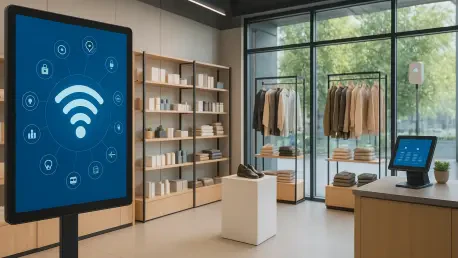
Furthermore, the move toward automation extends to the sales floor through the implementation of frictionless checkout systems. These setups utilize a complex web of cameras and weight sensors to track items as they are removed from shelves, allowing customers to complete purchases without ever interacting with a traditional cashier. This technology relies on the seamless integration of computer vision to ensure that every transaction is recorded accurately and instantly. As labor costs continue to rise, such automated systems provide a viable path forward for retailers looking to enhance their throughput.
Technological Synergy and Consumer Experience
Leveraging the Global Connected Device Ecosystem
The current explosion of the Internet of Things in retail is intrinsically linked to the broader global expansion of connected hardware. Current data indicates that the global volume of connected devices has surged to approximately 49 billion units in 2026, providing the necessary infrastructure for retailers to implement highly sophisticated and interconnected solutions. This massive network of devices serves as the backbone for modern digital strategies, enabling a level of connectivity that was technically impossible just a few years ago.
By tapping into this vast ecosystem, retail organizations can move away from simple, siloed data collection toward a more holistic, insight-driven decision-making process. This technological synergy allows for the synchronization of various store elements, from smart lighting systems to mobile point-of-sale terminals, creating a unified environment where every device contributes to the overall intelligence and operational readiness of the business enterprise. Such integration ensures that data flows seamlessly between departments, allowing for a more responsive and agile retail operation.
Personalization: Tailoring the Customer Journey
Beyond operational logistics, the Internet of Things is a transformative tool for deepening the relationship between the brand and the consumer through hyper-personalization. Modern retail platforms now utilize proximity-based technology to send targeted offers and relevant product information directly to a customer’s smartphone the moment they approach a specific aisle or display. This level of engagement ensures the shopping experience is more interactive and tailored to the individual’s known preferences and past purchasing history, fostering a sense of exclusivity and brand relevance.
In addition to marketing, these applications are playing a vital role in meeting the growing demand for transparency and ethical sourcing. Today’s shoppers are increasingly concerned with the sustainability of the products they purchase, often demanding proof of fair labor practices. Connected technologies throughout the supply chain provide the necessary transparency by tracking a product’s journey from its initial point of origin to the final retail shelf. By scanning a simple code, consumers can access a wealth of data regarding the product’s carbon footprint and the materials used in production.
Regional Dynamics and Future Innovations
Geographic Expansion: Fast-Growing Regional Markets
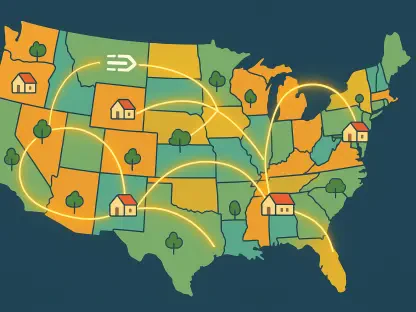
The geographic distribution of technology adoption reveals a landscape where North America continues to hold the largest market share in 2026. This dominance is the result of early investments by major retail chains supported by a highly advanced telecommunications infrastructure. However, the Asia-Pacific region is rapidly emerging as the fastest-growing market during this forecast period. This growth is being fueled by rapid urbanization and substantial government investments in digital infrastructure across countries such as China, India, and Japan, where retailers are skipping legacy systems.
While North America and Asia-Pacific lead the way, other regions including Europe and South America are also experiencing steady growth as global retail standards become more uniform. International corporations are increasingly standardizing their technology deployments across borders to ensure a consistent customer experience and operational efficiency regardless of location. This global synchronization of technology ensures that the benefits of connected retail are becoming accessible to businesses and consumers worldwide, allowing even smaller regional players to compete on a much larger stage.
Future Outlook: The Next Phase of Evolution
Looking toward the end of the decade, the next phase of evolution will focus on the integration of sensors that manage the physical environment of the store itself. Moving beyond inventory, these systems will control lighting and climate settings based on real-time occupancy and external weather conditions. This level of environmental automation leads to significant cost savings and a dramatically reduced carbon footprint, aligning retail operations with global sustainability goals. These innovations are set to become standard features in modern store design, reflecting a shift toward efficient practices.
The successful integration of these technologies required a fundamental rethinking of how physical commerce functioned in a digital society. Organizations that transitioned away from legacy systems to embrace real-time data analytics were the ones who managed to secure their positions in the market. Moving forward, the strategic focus shifted toward the interoperability of Internet of Things ecosystems to ensure that different sensors and software platforms communicated without friction. Retailers found that implementing automated loss prevention and more affordable frictionless checkout models helped maintain margins as operational costs fluctuated. The industry moved from mere data collection to the execution of actionable insights that directly improved the customer journey and backend efficiency. Investing in robust cybersecurity measures also became a critical requirement to protect the vast amounts of consumer data being generated. Those who adopted a proactive stance in these areas positioned themselves for long-term success.