
The transformation of the smart home industry from a fragmented collection of enthusiast-driven gadgets into a unified professional ecosystem represents one of the most significant shifts in modern building management. Wago is currently leading this transition by introducing VDE-certified in-wall modules that utilize the Matter protocol, effectively bridging the gap between high-end industrial reliability and the accessibility of the Internet of Things. For years, the German and broader DACH markets remained cautious about adopting smart technologies due to concerns over security and long-term support, but the arrival of certified, interoperable hardware is changing that narrative. By focusing on the professional installer channel rather than the direct-to-consumer market, the company is ensuring that residential and small-scale commercial automation becomes a standard, reliable component of electrical infrastructure. This strategic pivot addresses the fundamental requirements of safety and longevity that have historically hindered large-scale adoption in the European sector, signaling a new era where interoperability and industrial-grade standards finally converge.
Integrating Technical Versatility: The Professional Protocol Shift
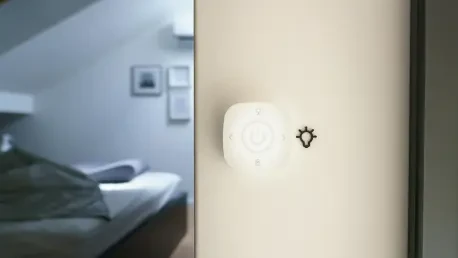
Central to this evolution is the strategic implementation of Matter over Thread and Wi-Fi within standard flush-mounted modules designed for seamless integration into modern living spaces. These devices are engineered to fit directly into existing electrical back boxes, which allows electricians to automate lighting, shutters, and power outlets without the disruption of a full building rewire or destructive renovations. Thread serves as a low-power, self-healing mesh network that maintains connectivity even in dense residential environments where traditional signals often struggle, while Wi-Fi provides the necessary bandwidth for data-intensive communication when required. This dual-protocol approach ensures that the hardware remains responsive and robust, meeting the expectations of professional contractors who require systems that work reliably from the moment of installation. By adopting an open-standard language like Matter, Wago effectively removes the limitations of proprietary ecosystems, allowing these professional-grade modules to communicate with a vast array of devices from various manufacturers without technical friction.
The inclusion of VDE certification serves as the definitive differentiator for this new wave of smart home hardware, providing a level of safety assurance that DIY products simply cannot match. In the German market, where electrical codes and liability frameworks are exceptionally rigorous, professional installers are often reluctant to recommend or install uncertified equipment that could jeopardize their insurance coverage or professional reputation. The VDE mark acts as a critical compliance signal, informing the electrician that the product has undergone exhaustive testing for fire safety, electrical stability, and overall durability within a domestic environment. This certification significantly lowers the barrier to entry for tradespeople, who can now treat smart modules as standard electrical components rather than experimental add-ons. Furthermore, by distributing these certified modules through established electrical wholesalers, Wago aligns its sales strategy with the existing procurement habits of the professional trades, ensuring that the hardware is available exactly where and when it is needed on a job site.
Market Interoperability: Moving Beyond Closed Systems
For decades, the European automation landscape was split between high-cost, complex bus systems and affordable but unreliable consumer gadgets, creating a vacuum in the middle market. This dichotomy often forced property owners to choose between the extreme reliability of systems like KNX, which requires specialized programming and significant investment, or fragmented Wi-Fi solutions that lacked long-term support. The move toward a standards-based, professional-grade retrofit solution offers a viable middle path that combines the best of both worlds for modern property developers. This shift is particularly crucial for property managers and landlords who are currently navigating more stringent energy efficiency guidelines across the European Union. The ability to perform unit-by-unit retrofits—automating heating and lighting to optimize energy consumption—allows for incremental building upgrades that avoid the financial burden of a complete system overhaul. By utilizing the Matter standard, these stakeholders can invest in infrastructure that remains flexible and future-proof, avoiding the risks of vendor lock-in that have plagued the industry.
From an investment and economic perspective, the professionalization of the smart home market acts as a catalyst for the broader adoption of advanced silicon and networking technologies. Success in this sector is increasingly measured by key performance indicators that go beyond simple sales figures, such as the depth of adoption among major electrical wholesalers and the number of technicians completing specialized training programs. As more electricians become proficient in commissioning Matter-enabled hardware, the time spent on-site decreases, which directly improves the profit margins for contracting firms. Additionally, the proliferation of these systems in multi-family dwellings creates new opportunities for managed services and recurring revenue models that were previously unavailable. Property management firms can now oversee remote maintenance, security monitoring, and firmware updates across entire portfolios from a centralized dashboard. This layer of digital management adds significant value to the initial hardware installation, transforming a one-time equipment sale into a long-term service relationship that benefits both the provider and the end-user.
Strategic Catalysts: Navigating Risks and Building Trust
While the trajectory toward a unified professional market is clear, several challenges remain that require meticulous management to maintain the current momentum across the industry. The Matter standard itself is a living protocol that continues to evolve, meaning that manufacturers must remain agile in their firmware development to ensure ongoing compatibility and security. Flawless over-the-air update mechanisms are essential to prevent device failures or security vulnerabilities that could undermine the trust Wago has built with the professional installer community. Furthermore, global supply chain fluctuations for specialized radio chips can still impact production timelines, requiring a resilient manufacturing strategy to meet the growing demand from wholesalers. The Light + Building 2026 trade fair serves as the ultimate proving ground for these advancements, providing a platform to demonstrate a mature, certified ecosystem to an international audience. If the industry can prove that these modules significantly reduce maintenance visits and simplify the installer’s workflow, the transition toward standardized, professional smart homes will be irreversible.
The successful professionalization of this market relied on shifting the focus away from the end consumer and toward the professional intermediaries who serve as the gatekeepers of building technology. By addressing the primary barriers of safety certification, cross-vendor interoperability, and ease of installation, the industry established a new baseline for what constitutes a modern electrical installation. Professionals in the field began prioritizing hardware that offered both the flexibility of the Internet of Things and the stability of traditional industrial components. This approach effectively pressured legacy providers of closed systems to either open their protocols or risk obsolescence in an increasingly unified market. Moving forward, the industry took actionable steps to integrate smart technology into the standard vocational training for electricians, ensuring that the next generation of tradespeople viewed Matter-enabled devices as a core part of their toolkit. This systemic change solidified the role of professional-grade automation as a permanent fixture in the built environment, creating a more efficient and reliable future for residential and commercial infrastructure.