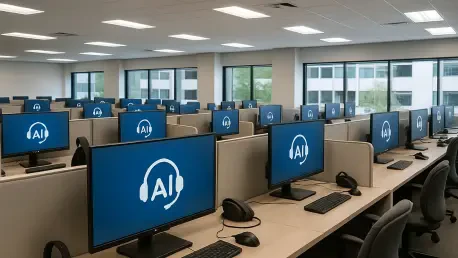

The persistent frustration of navigating rigid, scripted phone menus is rapidly vanishing as modern communication architectures transition toward truly autonomous, voice-first digital agents capable of understanding complex human intent. At the Enterprise Connect conference, the introduction of AIR Pro marked a pivotal evolution for RingCentral, moving beyond traditional automated responses into a sophisticated realm of digital interactions. This platform operates as an agentic voice system where artificial intelligence does not merely replace human interaction but enhances it through deep integration across voice, SMS, and chat channels. Unlike the limited chatbots of previous years, these autonomous agents manage intricate customer service tasks with a level of fluidity that mirrors human conversation. By establishing a trusted environment for collaboration, the technology ensured that human workers and AI counterparts worked in tandem to resolve issues, effectively reducing the friction that typically plagues high-volume contact centers during peak operational hours.
Central to this technological leap is the development environment known as AIR Pro Studio, which leverages advanced natural language processing to democratize the creation of intelligent workflows. This no-code approach empowered business leaders and department managers to design custom AI capabilities without requiring a background in software engineering or complex coding languages. Through this interface, users configured agents to perform high-level tasks such as authenticating identity through voice biometrics, opening technical service tickets, and triggering specific backend processes within existing enterprise resource planning systems. Furthermore, the platform addressed the complexities of global commerce by implementing real-time multilingual support, allowing an AI agent to detect a shift in language and respond accordingly without interrupting the flow of the conversation. Such versatility ensured that diverse demographics received consistent service quality, regardless of the primary language spoken by the customer or the geographic location of the support center.
A Unified Ecosystem: Bridging the Gap Between Humans and Machines
This strategic rollout served as a cornerstone of a much broader AI ecosystem that included established tools like the AI Receptionist and the AI Conversation Expert. By embedding OpenAI’s frontier models directly into live voice interactions, the architecture moved toward a future where intelligence is a native component of Unified Communications as a Service and Contact Center as a Service portfolios. Industry trends throughout the current year reflected a growing consensus that intelligent agents must comprehend intent rather than just keywords, executing actions autonomously to provide genuine value. While the initial implementation prioritized the healthcare sector with specialized workflow templates designed for patient intake and appointment scheduling, the roadmap indicated a rapid expansion into financial services and retail environments. These specialized templates allowed organizations to maintain compliance while automating routine data entry, ensuring that professional staff could focus on high-priority cases that required emotional intelligence and complex ethical decision-making.
The introduction of these autonomous agents fundamentally shifted the metrics of success within the modern enterprise, proving that operational efficiency and customer satisfaction are not mutually exclusive. Organizations that successfully integrated these systems found that the transition required a strategic re-evaluation of human roles, focusing on oversight and the management of edge cases that AI could not yet resolve. To remain competitive, decision-makers must now prioritize the auditing of current communication workflows to identify which customer touchpoints benefit most from autonomous intervention. Investing in staff training to facilitate better human-AI collaboration became a critical next step for maintaining a cohesive service culture. As the technology matured through 2026 and toward 2028, the emphasis shifted from basic automation to the refinement of brand voice and the deepening of customer relationships through hyper-personalized digital interactions. Adopting a modular approach to AI implementation allowed firms to scale these capabilities at a sustainable pace while ensuring data security remained a top priority.