
A cascade of high-stakes leadership changes and pioneering technological ventures signals a profound strategic realignment is now underway for Europe’s incumbent telecommunications giants. The industry is rapidly shedding its traditional identity as a simple utility provider, aggressively reshaping itself to compete in a hyper-converged marketplace where connectivity, content, and artificial intelligence are inextricably linked. This transformation, driven by both market pressures and regulatory shifts, is forcing established players to rethink everything from their core business models to their C-suite composition, heralding a new era of innovation and competition across the continent.
Redefining the Core The New European Telecom Battleground
The European landscape is no longer defined by siloed industries but by a dynamic convergence of telecommunications, media, and technology. In this new arena, established operators are grappling with the need to evolve beyond their legacy role as mere connectivity providers. The challenge lies in integrating diverse digital services and media offerings into a cohesive and compelling value proposition for consumers and enterprises alike, turning their vast networks into platforms for innovation rather than just pipelines for data.
Major players like BT, Telefónica, and Vodafone find themselves at a critical juncture, navigating a complex web of shifting priorities. Their focus is expanding from domestic market share to encompass the strategic value of intelligent network infrastructure, the monetization of digital services, and the management of sprawling international operations. The decisions made now will determine their relevance in a future where the lines between a telco, a tech company, and a media powerhouse continue to blur.
Catalysts of Change AI Content and Evolving Market Pressures
The AI Imperative From Network APIs to Digital Companionship
The integration of artificial intelligence is rapidly becoming a cornerstone of modern telecom strategy, moving far beyond back-office automation. Telefónica and Nokia are at the forefront of this shift, collaborating to deploy “agentic AI” to simplify and accelerate the adoption of network APIs. This partnership, under the GSMA’s Open Gateway initiative, aims to create intelligent, self-coordinating systems that make complex network functions easily accessible to developers, unlocking a new wave of service innovation. By enabling AI agents to communicate and access data through standardized protocols, they are laying the groundwork for a more dynamic and automated network ecosystem.
Simultaneously, AI’s influence is permeating consumer behavior in profound ways, creating both opportunities and ethical considerations. A recent survey from Vodafone reveals a striking trend among teenagers, with a significant portion viewing AI chatbots not just as tools but as digital confidants. This deepening human-AI relationship highlights an emerging market for personalized, AI-driven companionship and advisory services. However, it also presents telcos with the complex challenge of navigating privacy concerns and the social implications of AI becoming an integral part of young people’s lives.
Reshaping Revenue The High Stakes of Content and Infrastructure
The battle for consumer attention is intensifying as media and telecommunications converge, with content now serving as a primary driver of subscriber acquisition and retention. The imminent launch of HBO Max in the UK and Ireland exemplifies this trend, as Warner Bros. Discovery prepares to challenge established players by bundling its vast entertainment library with exclusive rights to premium live sports. This all-in-one approach, combining blockbuster series with Premier League football, creates a powerful new offering that forces competitors to re-evaluate their own content strategies and pricing models.
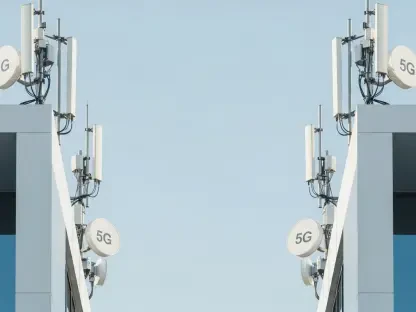
In a parallel development, the physical infrastructure underpinning these digital services has become a new financial battleground. In the UK, mobile operators are poised to leverage new government legislation aimed at improving national connectivity to renegotiate rental fees for the thousands of masts hosted on private land. While this move could lower operational costs for telcos, it introduces significant financial uncertainty for landowners and threatens to create a standoff that could potentially slow network maintenance and expansion, illustrating the delicate balance between corporate interests and public policy goals.
Confronting Legacy Challenges and Emerging Dilemmas
Even as they pursue new opportunities, European telcos remain encumbered by legacy issues that demand significant attention and resources. At BT, the long-struggling international unit continues to be a persistent challenge. Despite efforts to restructure and rebrand the division, its performance has historically weighed on the company’s overall results. The latest leadership overhaul represents a renewed attempt to stabilize these global assets and find a viable strategic path forward, but turning around this historically problematic unit remains a formidable task.
The push for enhanced national connectivity is creating new friction points within the industry. The potential confrontation in the UK between mobile operators and property owners over mast rental fees highlights an emerging dilemma. While lower fees could free up capital for network investment, widespread resistance from landowners could lead to disputes that delay critical upgrades and expansions. This situation underscores the inherent tension between achieving national policy objectives and respecting established commercial agreements.
Furthermore, the growing social integration of AI introduces complex ethical quandaries that operators must navigate carefully. As Vodafone’s research shows, AI is increasingly becoming a confidant for young people, raising critical questions about data privacy, emotional dependency, and the potential for manipulation. Telcos, as the providers of these AI-driven services, find themselves on the front lines of a debate that balances technological innovation against the responsibility to protect vulnerable users in an increasingly digital world.
The Regulatory Push for Connectivity and Open Standards
Governments are playing a more active role in shaping the digital landscape, with regulatory frameworks increasingly designed to accelerate network deployment and ensure widespread access to high-speed connectivity. The UK government’s new legislation on mobile mast infrastructure is a clear example, creating a mechanism intended to streamline negotiations and lower barriers to investment. This top-down approach forces a market-wide reset, compelling operators and landowners to adapt to a new set of rules aimed at fulfilling broader national strategic goals.
Alongside government mandates, industry-led initiatives are proving crucial in fostering a more open and collaborative technological environment. The GSMA’s Open Gateway initiative, which underpins the AI-driven API work by Telefónica and Nokia, is pivotal in this regard. By championing standardized and interoperable network APIs, the initiative seeks to prevent fragmentation and create a unified platform upon which developers globally can build new applications and services, thereby stimulating innovation across the entire ecosystem.
Ultimately, the European telecom sector is navigating a delicate balancing act between regulatory intervention and free-market dynamics. While legislative pushes can accelerate progress toward connectivity targets, they must be carefully calibrated to avoid stifling private investment or creating unintended market distortions. The ongoing challenge for both policymakers and industry leaders is to cultivate an environment that encourages robust competition while ensuring that the foundational infrastructure for Europe’s digital future is built efficiently and equitably.
Forging the Future New Leadership and Next-Generation Platforms
Significant leadership changes at major industry players often signal a fundamental shift in corporate strategy, and the recent executive reshuffles are no exception. At BT, the appointment of a new head for its international division is explicitly tied to a vision of transformation, moving away from past struggles toward building a “next-generation, global telco platform.” Similarly, the promotion of an internal candidate to CEO at MLL Telecom suggests a focus on continuity and deep industry expertise to guide the company’s next phase of growth. These moves reflect a broader trend of installing leaders with the specific skills needed to navigate the transition from traditional telecom operations to more agile, tech-centric business models.
The ultimate goal driving these strategic pivots is the creation of intelligent, highly automated global platforms. This vision is fueled by the convergence of AI and open APIs, which together promise to make networks more programmable, efficient, and responsive to the needs of developers and enterprise clients. By transforming their infrastructure into a flexible service-delivery engine, telcos aim to move up the value chain, enabling a new ecosystem of applications that can leverage network capabilities in previously impossible ways.
This platform-centric future also reshapes the landscape of media distribution. As telcos and content creators deepen their partnerships, the distinction between the service provider and the entertainment source dissolves. The emergence of powerful, all-in-one subscription services that bundle connectivity, exclusive series, and live sports is just the beginning. The next evolution will likely see even greater integration, with personalized content recommendations and interactive experiences delivered seamlessly across the intelligent networks that these future-focused telcos are building today.
The Verdict A Blueprint for the Modern European Telco
The evidence points to a decisive and irreversible shift in the European telecommunications industry. The traditional model of a connectivity provider has been rendered obsolete, replaced by the imperative to become a multifaceted technology and media entity. Survival and growth now depend on a company’s ability to master a complex ecosystem where network intelligence, content aggregation, and customer experience are paramount. This transformation is not merely an option but a fundamental requirement for relevance in the digital age.
To succeed in this new battleground, European telcos must commit to a clear blueprint for modernization. This begins with installing strategic executive leadership capable of steering the organization through profound cultural and operational changes. It requires sustained investment in disruptive technologies like AI to automate operations and unlock new service paradigms. Furthermore, operators must demonstrate the agility to adapt to rapidly evolving regulatory frameworks and market realities, turning potential challenges like infrastructure renegotiations and new content competitors into strategic opportunities.
The outlook is promising for those companies that successfully navigate this complex journey. By embracing their new identity as integrated technology platforms, telcos can unlock new revenue streams, deepen customer loyalty, and play a central role in the next wave of digital innovation. The companies that manage this pivot effectively will not only secure their own futures but will also define the very fabric of Europe’s connected society for years to come.