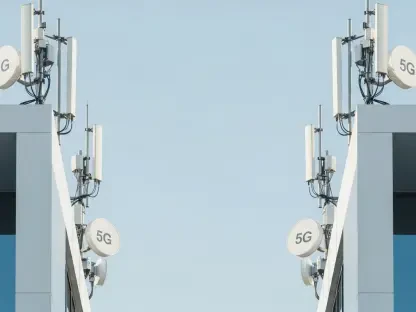

Telecommunication (telecom) systems generate trillions of network events every day, creating a massive data load that outpaces what any team or outdated tools can manage. Large operators might handle multiple petabytes of telemetry daily, making manual analysis both slow and costly. This delay leads to issues being detected late, taking longer to fix, and ultimately affecting customer satisfaction. Successful operators know how to turn raw data into automated actions, predicting congestion moments before it occurs and fixing service issues before customers are aware of them. Telecom companies should start prioritizing such efficiency. To help you, this article explores how providers can use predictive analytics to turn network data into effective decision-making and customer retention.
The Strategic Pivot: Engineering Network Resilience through Predictive Insights
In telecommunications, reliability is critical, but understanding complex networks can be challenging due to multi-vendor systems and virtualized layers. That’s why leading operators are ditching static alerts in favor of advanced analytics that enable anomaly detection and help identify early signs of outages. At the same time, incorporating environmental and situational signals from these real-time insights, such as weather alerts and local events, further enhances traffic management. By analyzing alarms, hardware health, and traffic patterns simultaneously, predictive systems enable teams to address issues before they escalate, reducing repair times and minimizing service disruptions.
For example, a national operator can use predictive maintenance tools for urban small cells to identify potential failures early, enabling proactive crew and part deployment, while reducing the average repair time from 11 hours to 3. This approach improves service reliability by minimizing customer complaints and penalty credits.
The integration of predictive analytics enables precise network optimization, a crucial factor for densely populated urban areas. Analyzing localized performance data in real time rather than relying on generalized metrics allows operators to intelligently enhance network capacity and schedule operations to meet real-time demand.
Despite the incredible potential of predictive insights, telecom providers can misunderstand the need to integrate them into daily operations. Telcos make the mistake of viewing analytics as a separate entity rather than as part of daily operations, which means they miss out on its full benefits. By embedding analytics into core processes, telecom operators can enhance performance and overall service quality, likely leading to customer retention and operational growth.
Customer Centricity: Leveraging Behavioral Data for Retention and Growth
Retaining existing customers is often more cost-effective than acquiring new ones, making it crucial for growth. It can cost a provider up to 25 times more trying to acquire a new subscriber than to retain an existing one, which directly boosts profitability. Telecom companies can reduce churn by employing predictive analytics to integrate and analyze diverse signals such as billing issues, service interactions, and coverage gaps. This data-driven approach assigns risk scores to customers and determines tailored solutions, enhancing satisfaction without eroding margins.
At the same time, predictive analytics help telecom providers improve digital channels, where customer loyalty is often won or lost long before a call reaches the contact center. An effective analytics engine quickly identifies problematic areas, such as a broken checkout process in an app or a SIM activation loop on the web. This information enables product teams to create a prioritized list based on their business impact. For example, by removing a two-step identity verification process that caused an 18% abandonment rate, operators can reduce activation calls and increase customer satisfaction scores in just one release cycle. The key takeaway is that customer data is most valuable when applied to product enhancements that minimize customer effort, rather than solely for marketing initiatives aimed at increasing brand awareness.
But when these changes are applied, a common mistake telecom operators make is equating volume with value, accidentally assuming excessive messaging will lead to better engagement. This assumption is flawed. Instead, using predictive analytics to deliver well-timed, contextually relevant products helps to boost retention and strengthen customer trust, which drives long-term growth. For example, offering a latency-focused add-on during peak gaming periods or a reasonably priced roaming pass when a customer is at the airport makes sense based on past data use. As telecom companies work to balance personalization with respecting customer needs, their interactions with customers become more genuine and impactful.
Operational Integrity: Combatting Fraud and Ensuring Revenue Accuracy
Telecommunications is a major target for fraud, with industry estimates of direct financial losses reaching over $41 billion in 2025 alone. To address this, predictive analytics is deployed to monitor voice and data sessions, identifying patterns of fraud such as international revenue-share scams, compromised enterprise trunks, and SIM box abuse. Advanced machine learning models analyze traffic by comparing it to expected patterns, accounting for factors such as user segment, time of day, and route. As a result, the response must be quick but carefully balanced. Although aggressive blocking can reduce losses, it also risks affecting genuine customers if false positives rise. The aim is to find a balance between reducing fraud, keeping customers satisfied, and ensuring that any recovered amounts are clear and verifiable by financial teams.
Building on the need for balance and precision, revenue assurance goes deeper into the billing process and benefits from real-time analytics. As service bundles continue to expand to include premium content, gaming, and partnerships, hidden revenue leaks can occur due to complex mediation rules and discount structures. By thoroughly reconciling event records with rated charges and invoices, telecoms can identify and address potential revenue leakage. This continuous monitoring allows telecom operators to recover substantial amounts rather than relying on retroactive processes. For instance, a European telecom provider discovered during their audit that bundled video passes were mistakenly set to expire after 28 days instead of 30, and correcting this oversight recovered millions annually and restored confidence in their financial reporting.
Telecom companies mistakenly view trustworthy revenue management as mainly requiring a billing system upgrade, rather than ensuring accurate data flows through existing channels. Yet revenue accuracy starts with secure, precise data pipelines, not just new billing systems. Efficient solutions prioritize the integrity of information pathways, which directly influences the accuracy of revenue collection and fraud prevention. Beyond this, telecom organizations are leveraging capital planning initiatives to boost future readiness and maintain customer trust.
Future Readiness: Prioritizing Planning and Efficiency to Scale Telecom Infrastructure
Predictive analytics is indispensable for strategic capital planning in telecommunications. Capital planning only works when demand forecasts and placement models reflect reality on the ground. Analytics-driven simulations can test the impact of a new site, a sector split, or a backhaul upgrade before equipment is ordered. By combining demographic trends, device diversity, historical peak usage, and geographic factors, planners can identify specific locations where added capacity will generate returns that surpass hurdle rates. This disciplined approach helps ensure budgets withstand the fast pace of technological change. When a neighborhood rapidly transforms into a commercial hub, adaptable plans allow adjustments within weeks rather than years, as the data pipeline makes the trade-offs clear to both engineering and financial teams.
Additionally, energy usage has become a critical metric at the telecom board level, and real-time analytics can help telecom providers manage it. For mobile operators, power can account for a large portion of operating expenses, and there is growing regulatory pressure to make credible reductions. To meet this demand, telcos use analytics-driven energy management to identify low traffic periods and seamlessly shift radios, transport nodes, and cooling systems into low-power modes without affecting the few active users. These real-world initiatives can cut site energy use by double-digit percentages during off-peak times. By linking load to consumption in real time, telecommunication companies can also spot outdated equipment that consumes excessive power without boosting capacity, providing procurement with a strong business case for upgrades based on measurable operational costs rather than vague sustainability goals.
Many telecom companies often view energy efficiency efforts as only part of sustainability reporting, missing their strategic potential to drive cost savings and boost operational efficiency. By aligning energy management with broader business objectives, infrastructure investments can support both environmental goals and financial performance. As telecom infrastructure continues to scale, integrating precision analytics will be crucial for balancing efficiency with the demands of future growth.
Evolving Telecommunication: The Role of Governance and Strategic Automation
While predictive maintenance and real-time processes matter, progress in telecommunications depends more on strong operational discipline than on new algorithms. The transformative impact of predictive analytics on telecom operations extends to governance and responsible automation. This governance extends beyond compliance; it ensures that automation is safe, ethical, accessible, and financially beneficial. Closed-loop systems require clear guidelines, transparency for regulated industries, and coordinated version control that aligns data science, network operations, and finance. Without this framework, automation risks becoming unpredictable, eroding trust.
To further enhance reliability and efficiency, well-governed automated control systems in telecommunications integrate feedback loops that continuously monitor network data to identify and rectify issues. These systems not only maintain optimal network performance but also adjust to avoid potential disruptions. This proactive management of predictive analytics is crucial for adapting to the complexities of modern network environments, where quick, effective responses can prevent costly downtime and improve the user experience. By embedding these automated processes into comprehensive governance frameworks, telecom organizations can ensure a future where technological advancement is matched by operational integrity and resilience.
Conclusion
In telecom, turning extensive data into useful insights is crucial. Predictive analytics can anticipate problems and enhance customer satisfaction, leading to better retention and growth. But this change goes beyond upgrading tech; it’s a strategic necessity that needs to be part of daily operations.
As technology and industry dynamics evolve, aligning effective governance, efficient energy use, and customer-focused strategies is key to leveraging analytics for proactive telecom management instead of reactive responses.
Leaders in telecommunications must decide whether to incorporate these insights into core operations for greater efficiency or risk losing market share by treating them as secondary. Choosing not to progress could lead to inefficiencies, customer loss, and higher costs.